
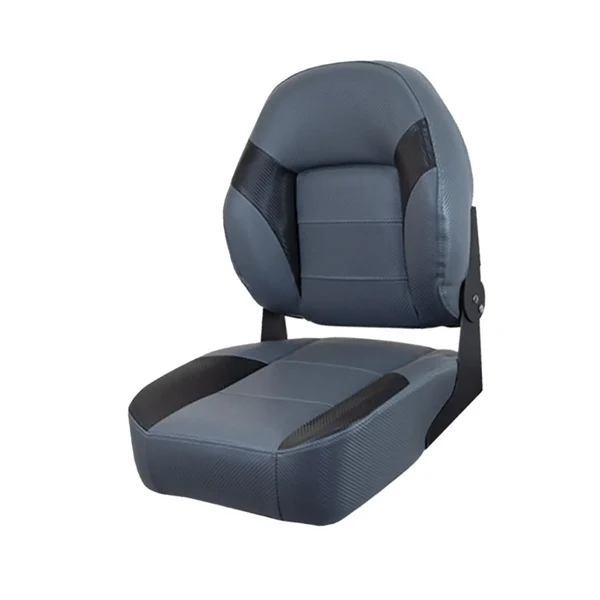
Start with the type that fits
Pick a brand
If a maker has served you well before, starting from their range is a sensible shortcut.
How to choose
- Line diameter and fibre: Braided polyester handles mooring chafe and stretch cleanly, while floating polypropylene suits throwing lines and dinghies.
- Off-grid electrical compatibility: Verify battery voltage, continuous inverter output, and enclosure weather rating before wiring a vessel or campervan.
- Fender and anchor sizing: Match fender diameter and anchor weight to vessel length, displacement, and local tidal seabed conditions.
- Check measurements against your space or the person it is for, not the size name alone.
- Think about how often it will be used: daily use calls for sturdier construction than occasional use.
Frequently asked questions
How should I rinse boat ropes and fenders after saltwater trips?
Hose lines, fenders, and folding seat hinges with fresh water to wash away dried salt crystals and prolong hardware life.
What is the difference between polyester and polypropylene boat rope?
Braided polyester sinks, resists UV wear, and ties supple knots for mooring, while polypropylene floats and stays lightweight for tenders.
How do the main types of boat seats differ?
Types of boat seats differ in shape, size, material and the job they are designed for, so compare them on those points rather than on the name alone.