
Start with the type that fits
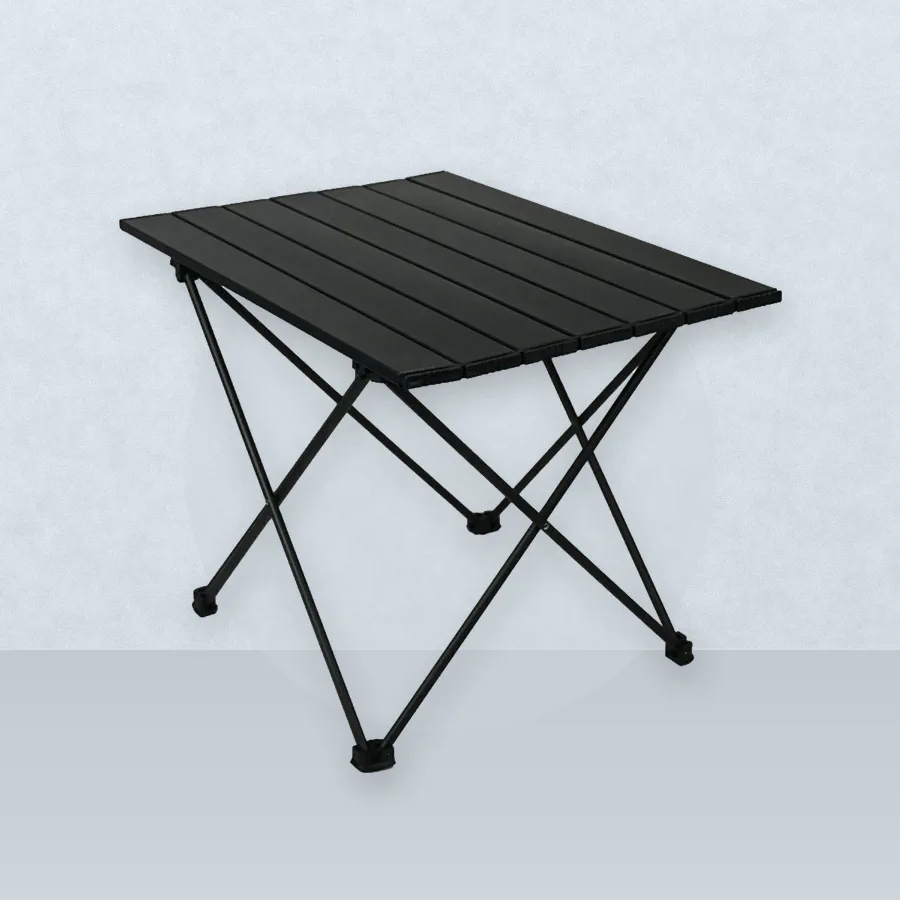

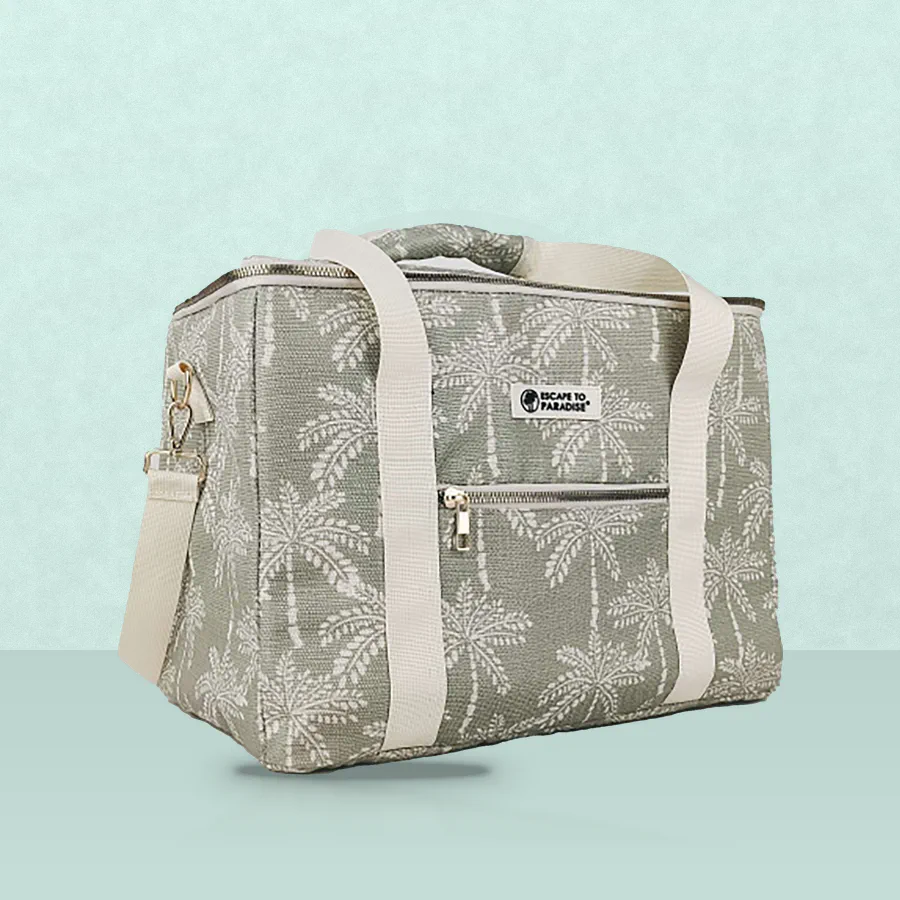
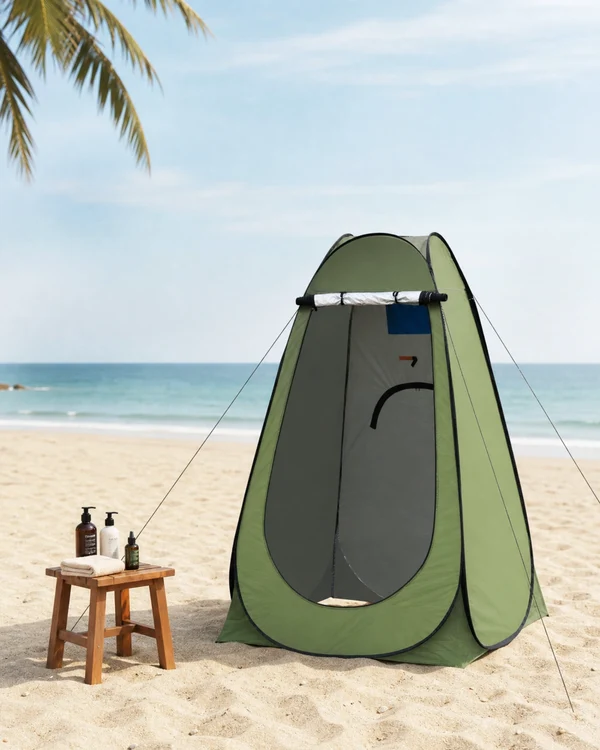
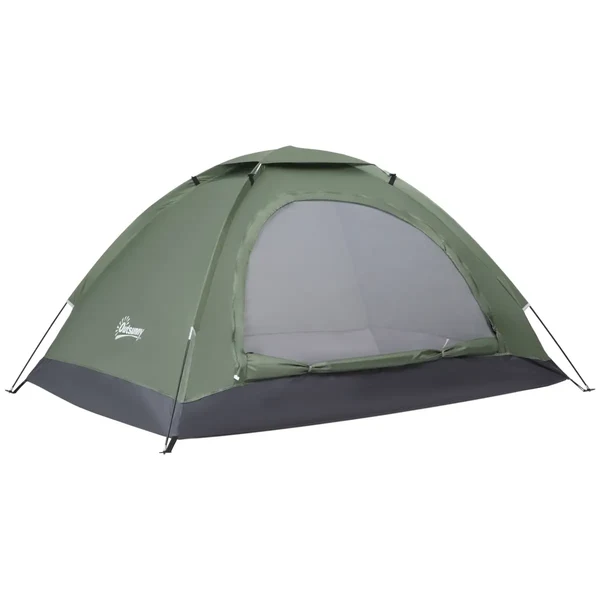
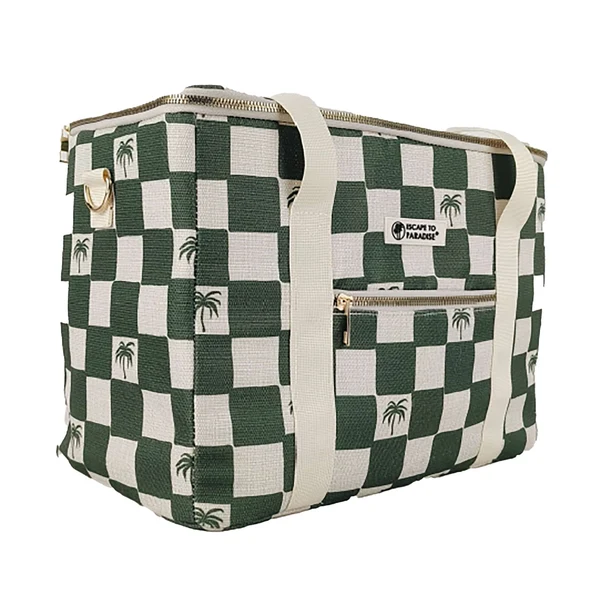
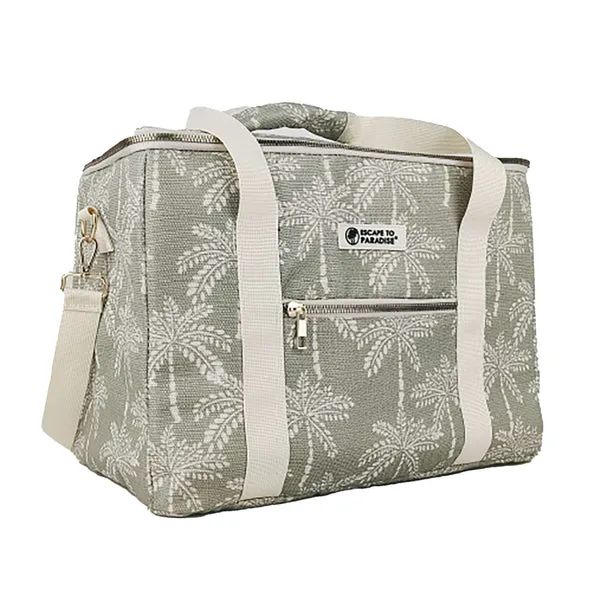
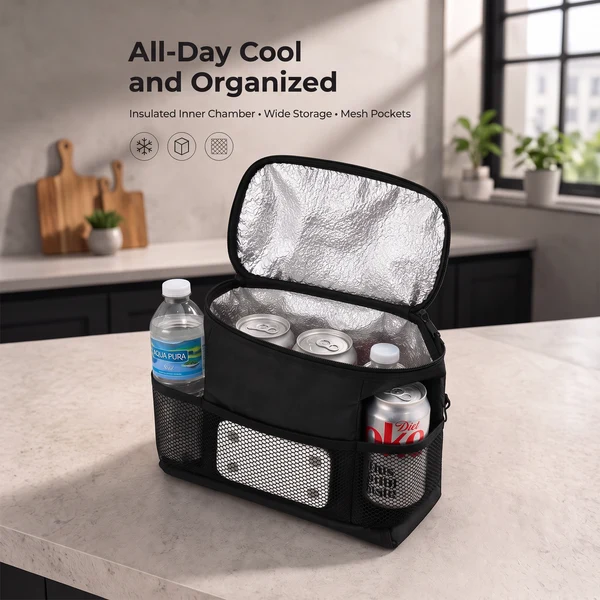
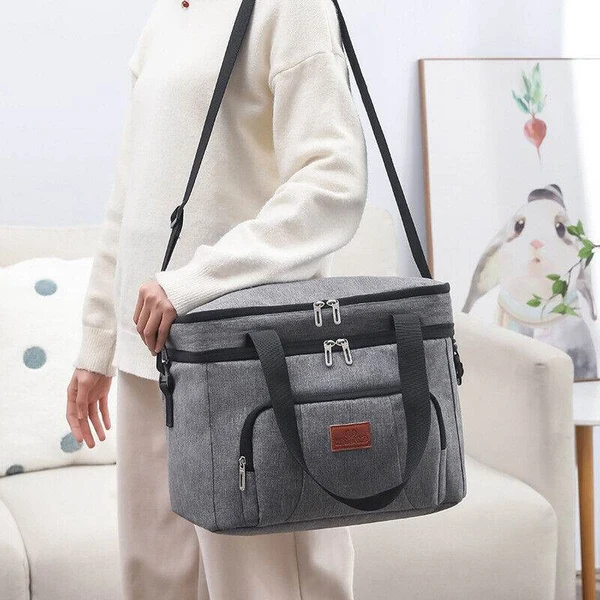
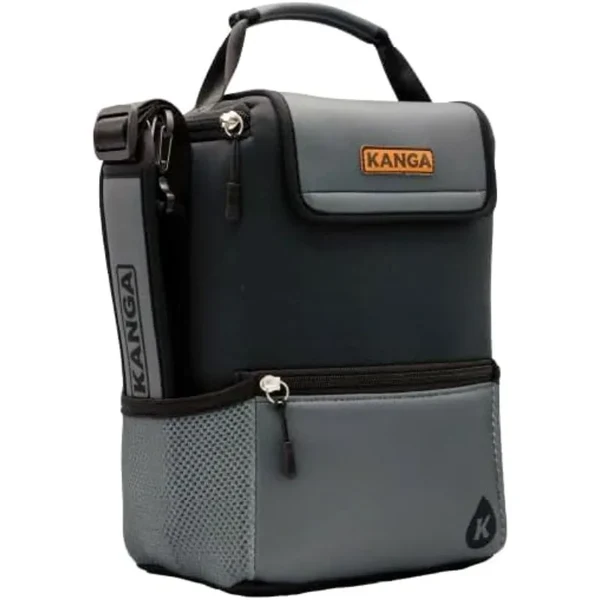
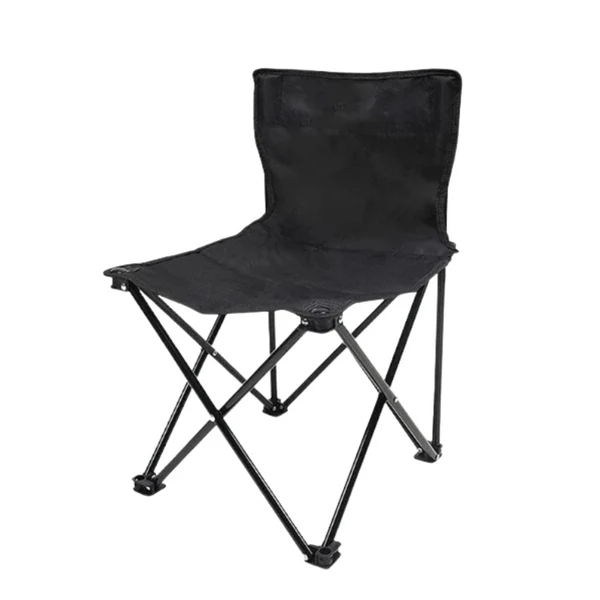
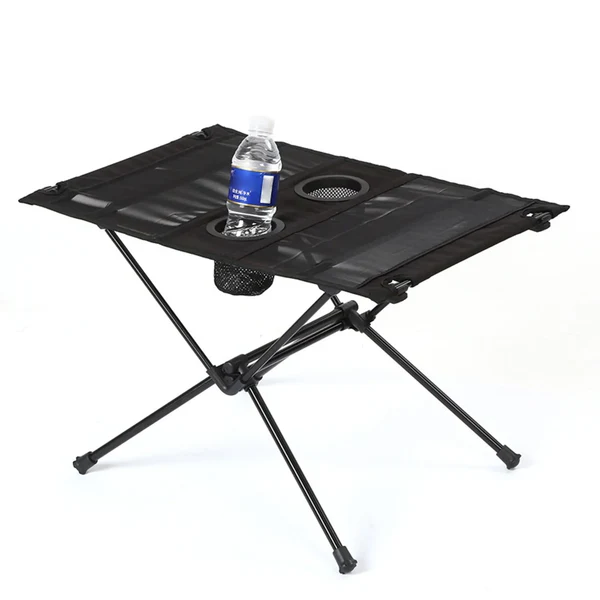
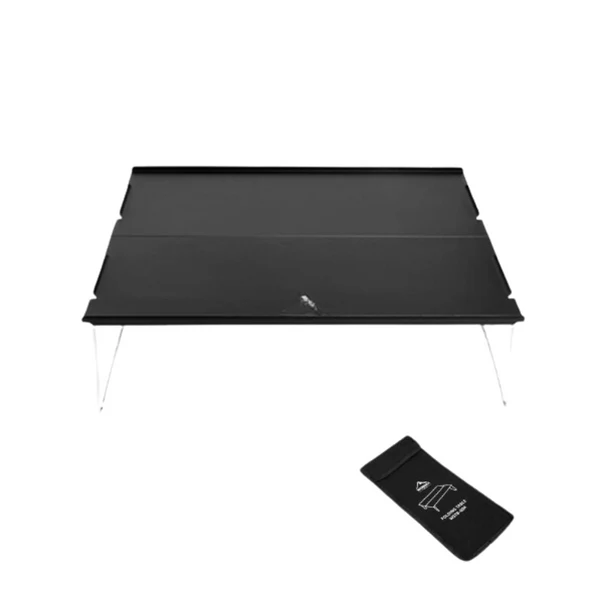

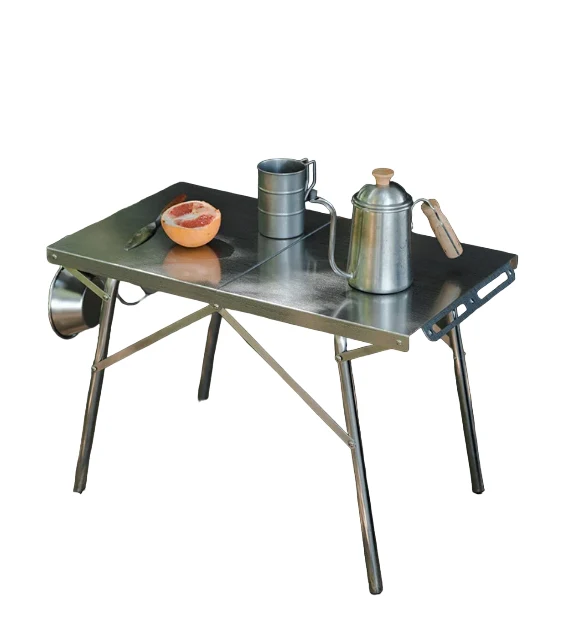
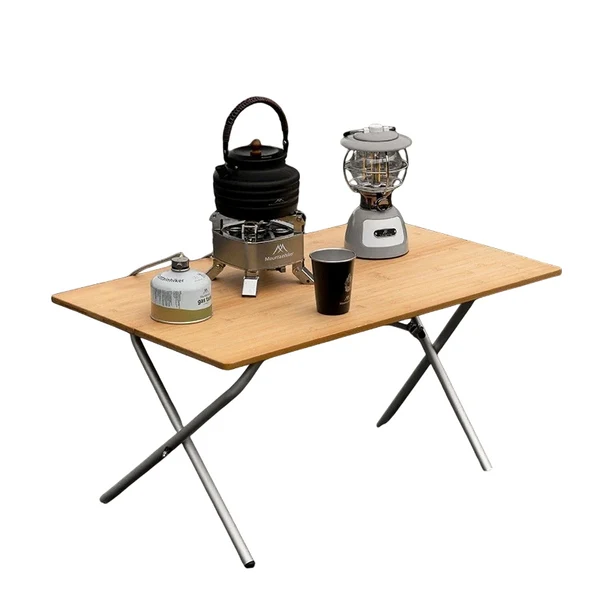
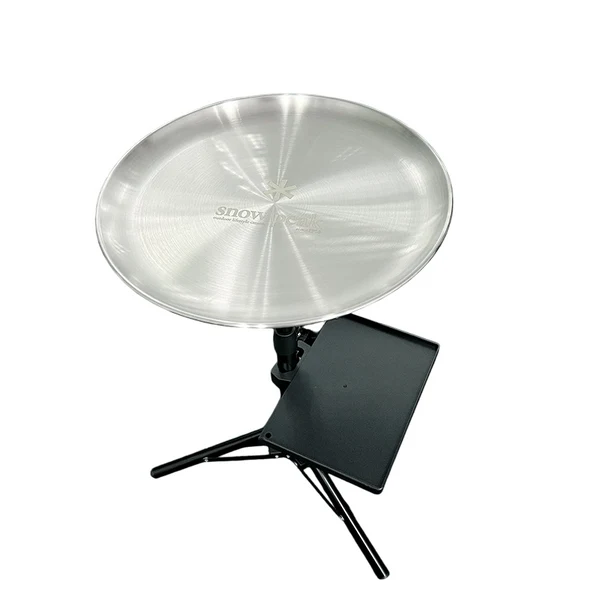
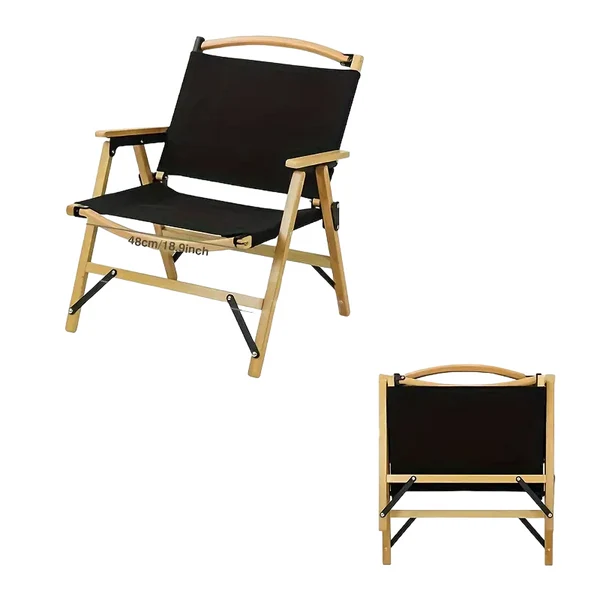
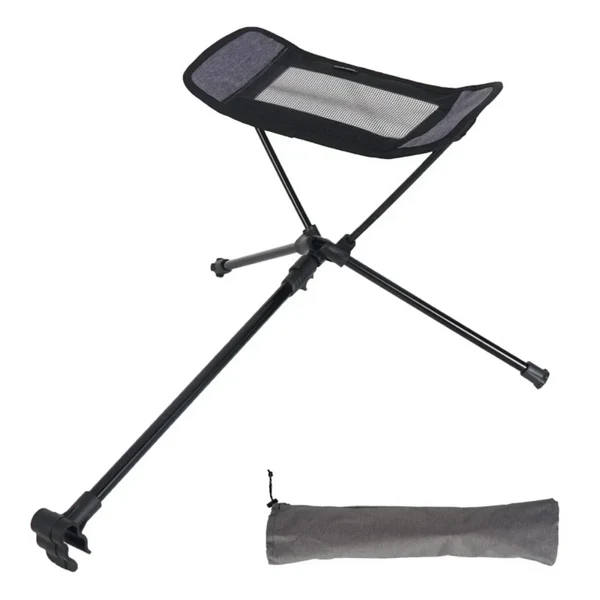
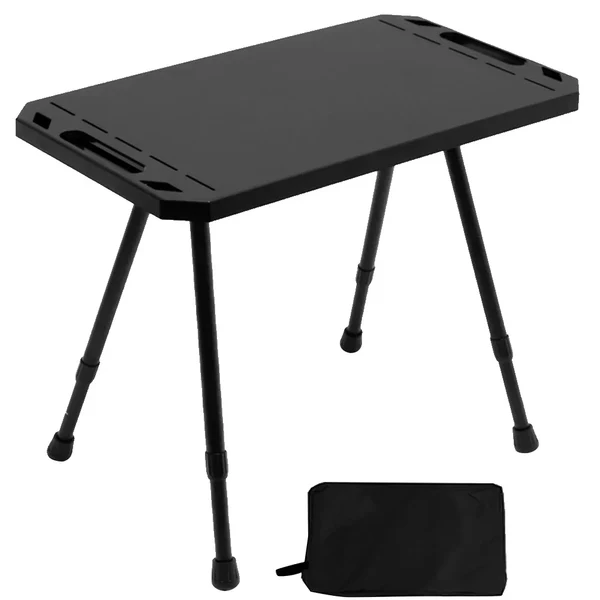
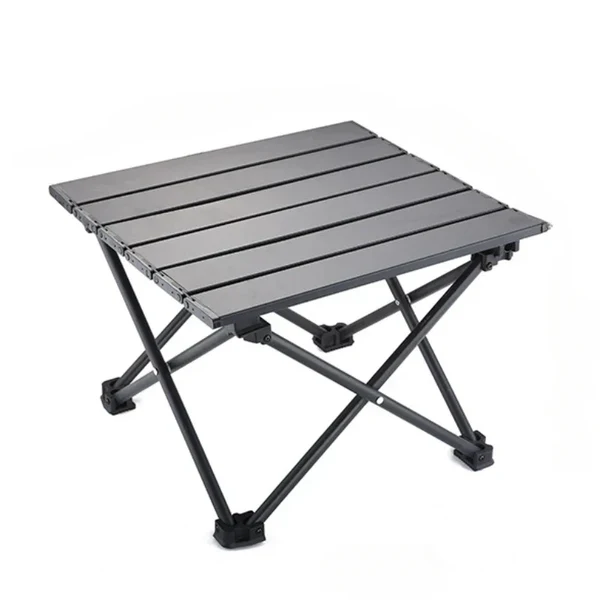
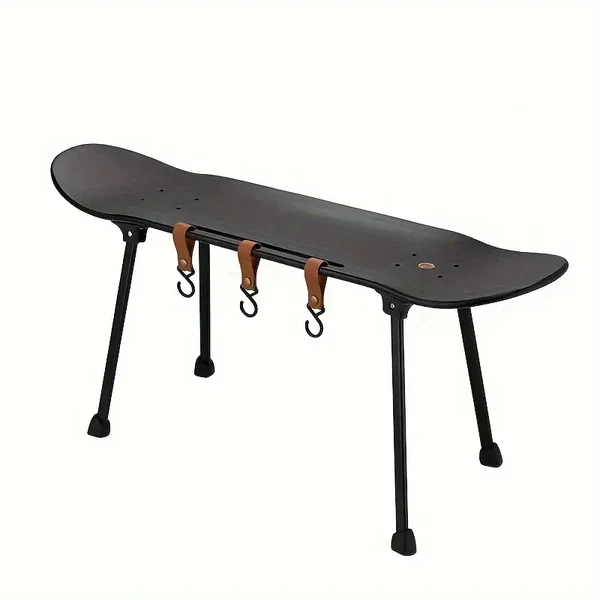
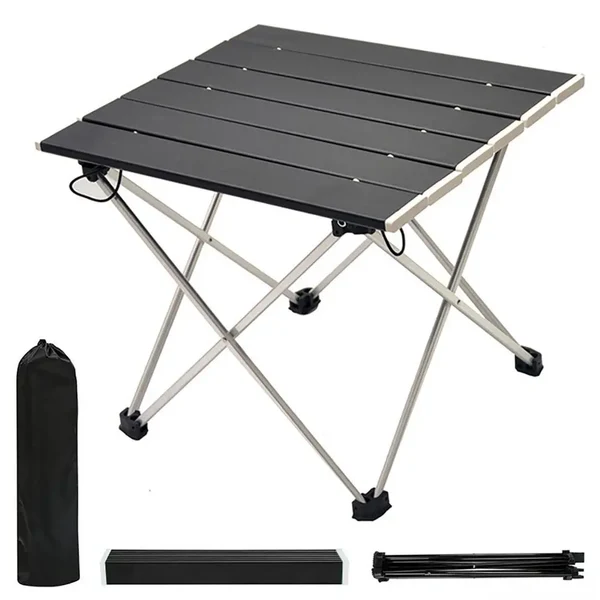
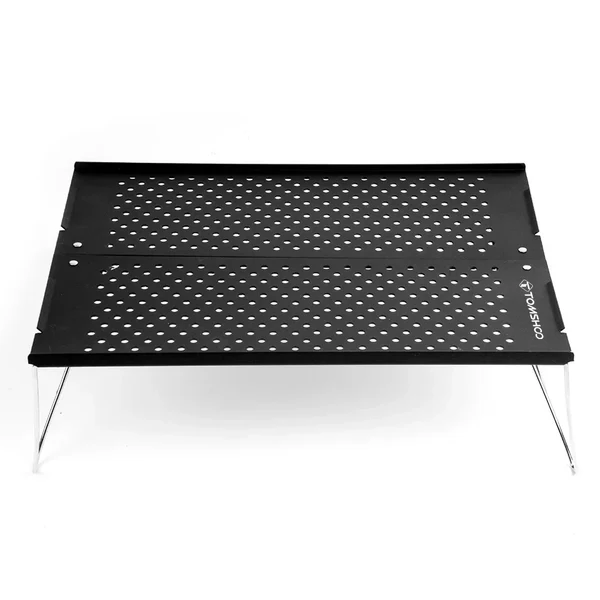
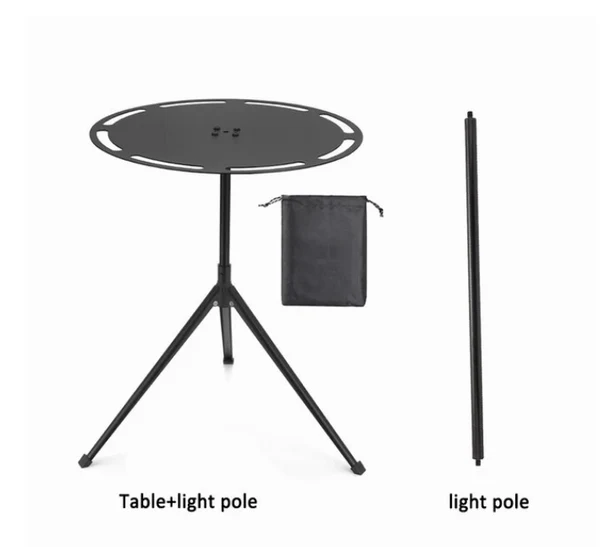
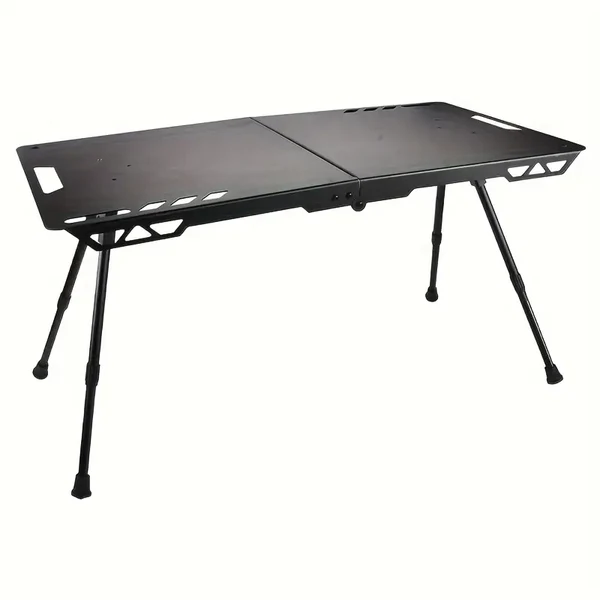
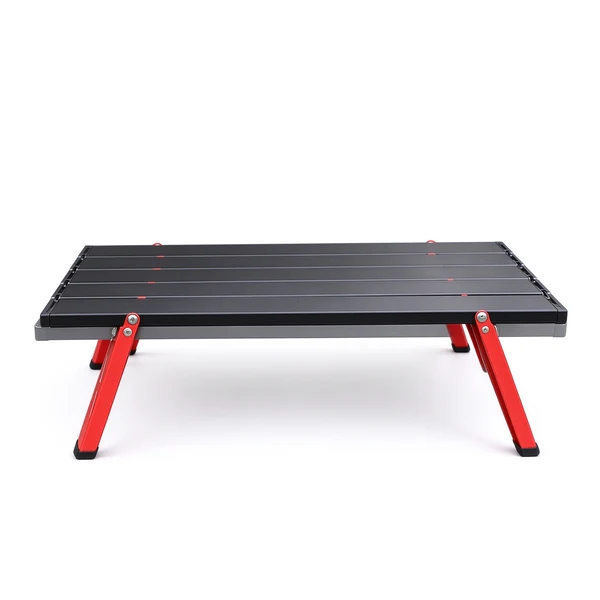
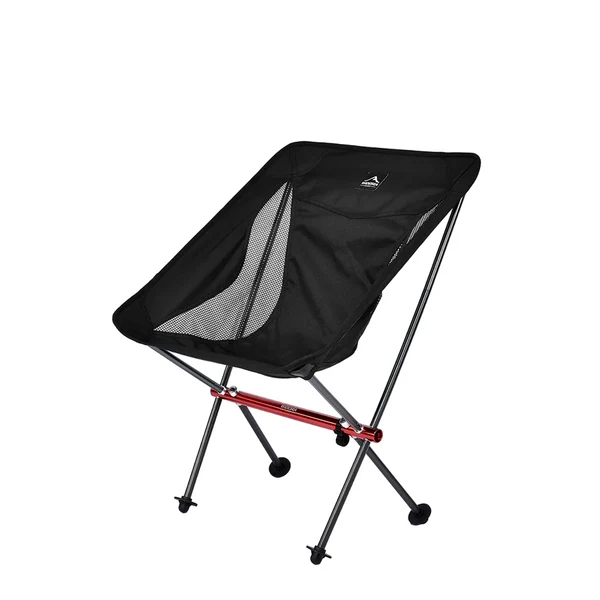
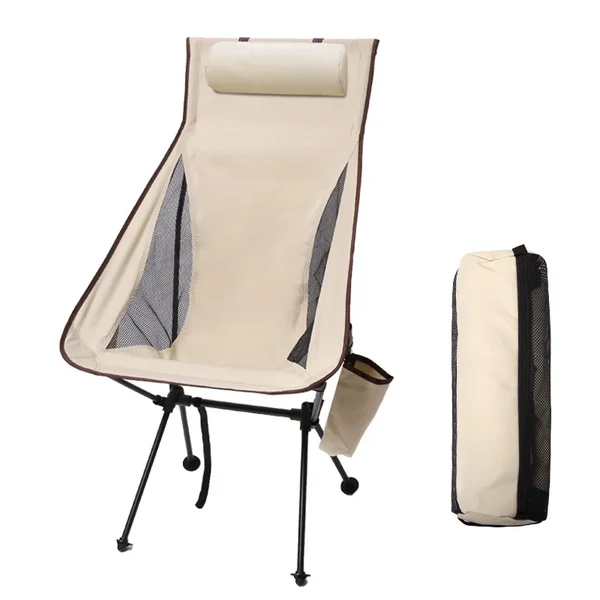
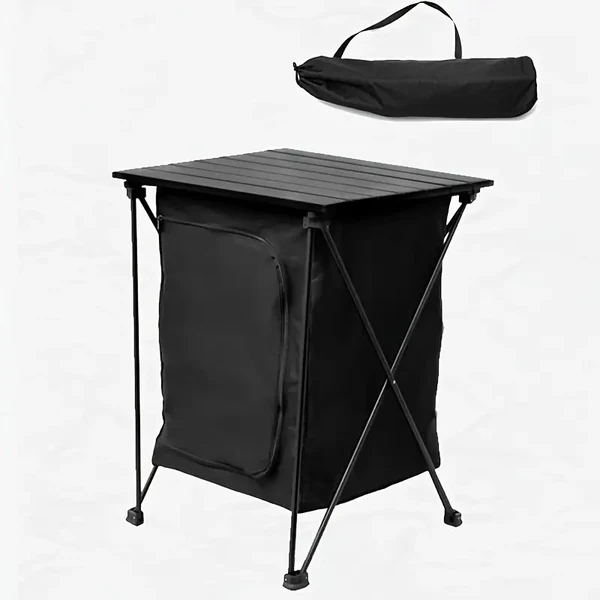
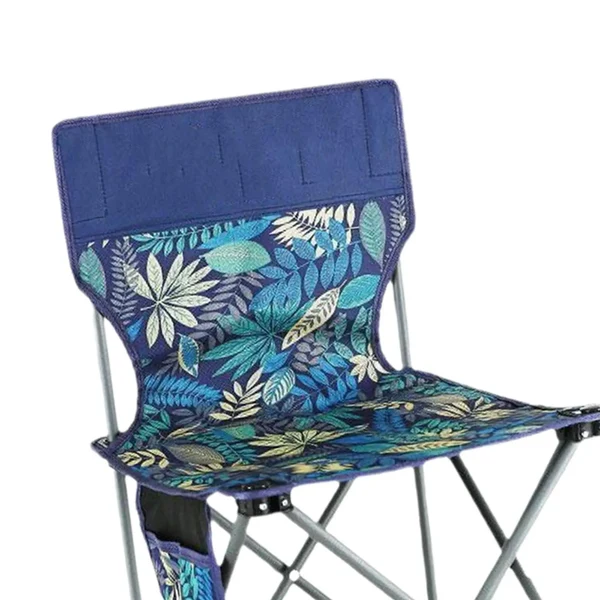
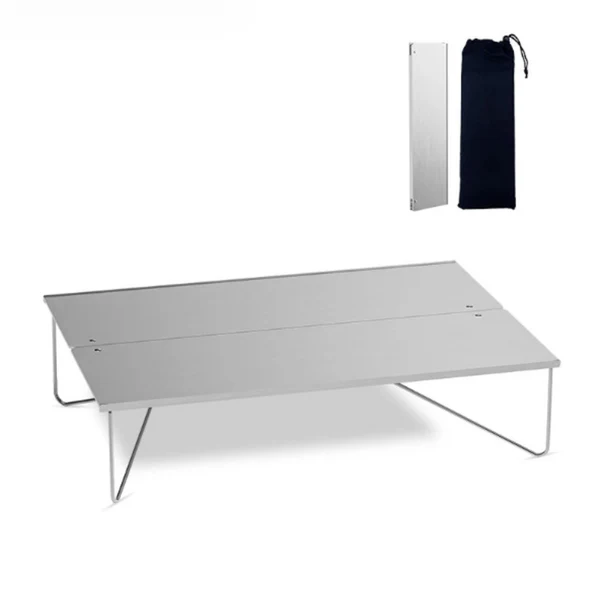
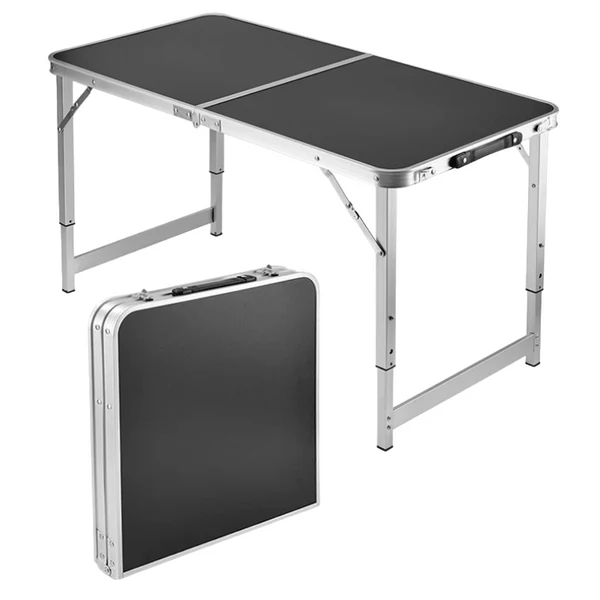
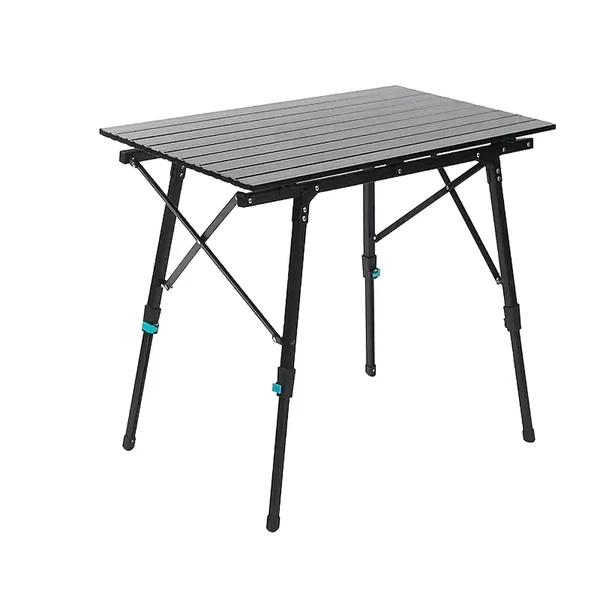
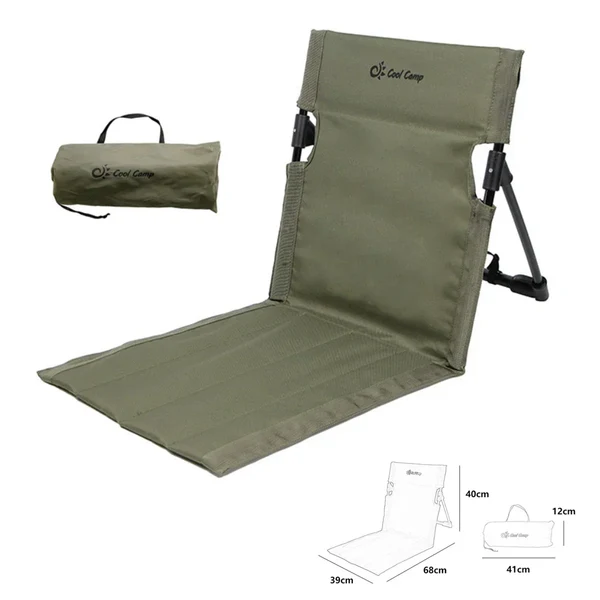
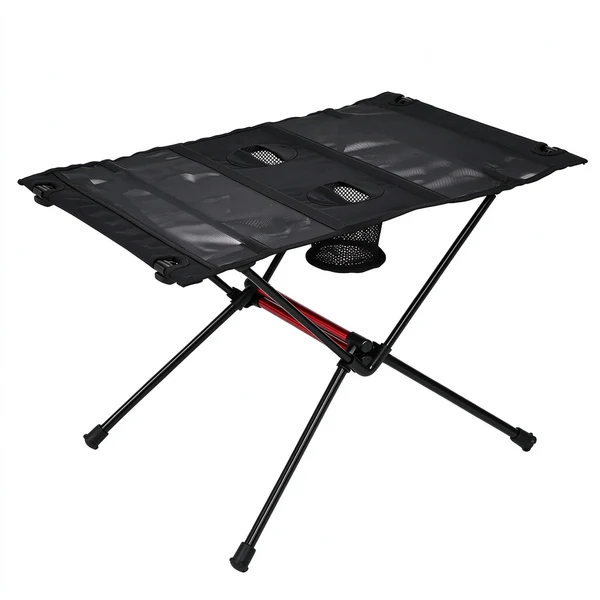
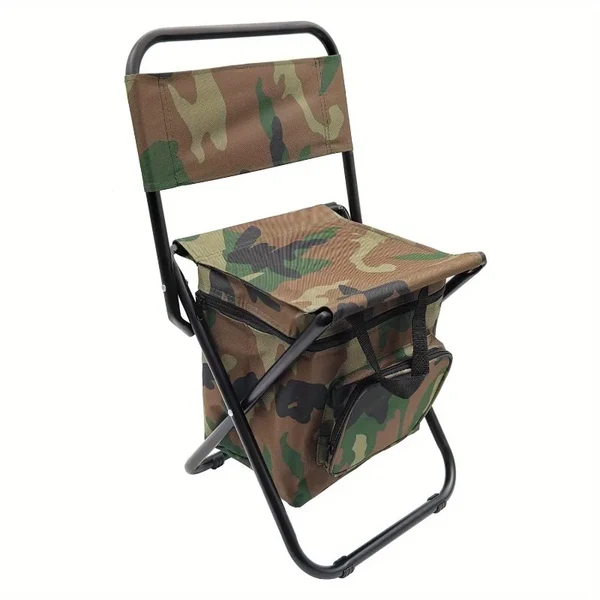
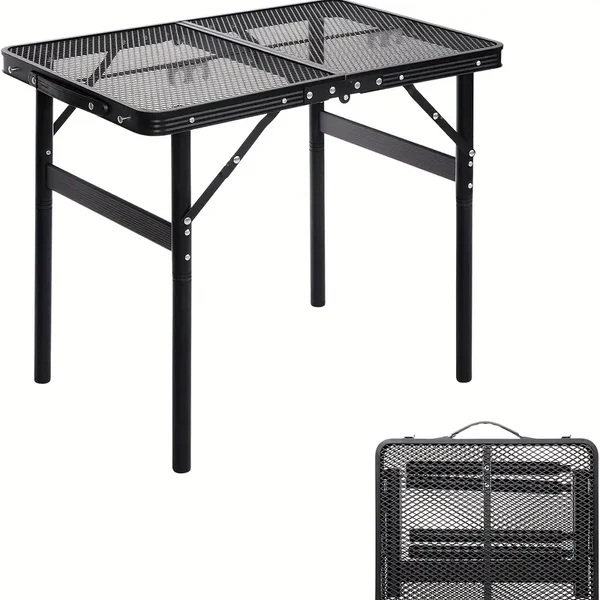

Looking for ideas rather than a type?


How to choose
- Line diameter and fibre: Braided polyester handles mooring chafe and stretch cleanly, while floating polypropylene suits throwing lines and dinghies.
- Corrosion resistance: Choose marine-grade stainless steel, anodised aluminium, or UV-stabilised polymers wherever fittings face salt spray.
- Off-grid electrical compatibility: Verify battery voltage, continuous inverter output, and enclosure weather rating before wiring a vessel or campervan.
- For a first purchase, a versatile all-round type is the easiest place to start.
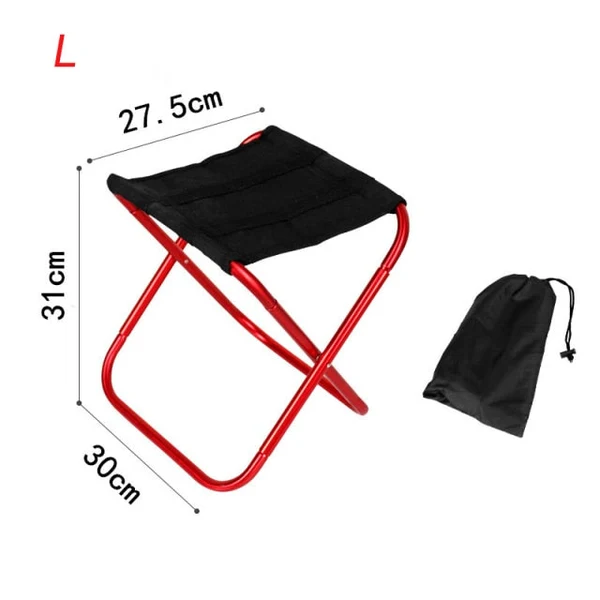
- Check measurements against your space or the person it is for, not the size name alone.
Frequently asked questions
What makes lithium iron phosphate batteries popular for campervans and boats?
They deliver steady deep-cycle capacity at lower weight than traditional lead-acid banks when paired with a matching charger.
How do the main types of campervan fittings differ?
Types of campervan fittings differ in shape, size, material and the job they are designed for, so compare them on those points rather than on the name alone.
Where do I start if I am new to campervan fittings?
If you are new to campervan fittings, start with a versatile, all-round type in a material that is easy to care for, then add more specialised types once you know what you use.
What should I look at first when choosing campervan fittings?
When choosing campervan fittings, start with the job in hand, then size, then material and finish; that order rules out the wrong types quickly.